
.jpg)

(AGU INTERIM EXECUTIVE DIRECTOR AND CEO, Janice Lachance (JD) , Photo: AGU)
Every year in the United States, the American Geophysical Union (AGU) hosts the world’s largest conference in the field of geosciences. Similarly, in Japan, the Japan Geoscience Union (JpGU) holds the largest geoscience conference in the country. As a member of both the AGU and JpGU committees, I had the opportunity to invite Dr. Janice Lachance (JD), the Interim Executive Director and CEO of AGU, during her visit to JpGU. I asked her about her life, the operations of AGU, the structure of their conferences, the relationship between AGU and JpGU, and the future plans of AGU.

Q. What made you decide to join AGU?
I was, and continue to be, very impressed with the scientists and expert volunteers and staff I work with every single day on issues important to humanity and our planet. AGU’s mission is an important one and I appreciate the opportunity to make a small contribution to this global effort.
Q. What does AGU mean to you?
AGU gives me hope. Hope that intelligent, committed people can help advance solutions to society’s challenges. Hope that research into new and exciting areas of science will help us all understand our world just a little bit better. Hope that the data and knowledge developed by AGU members can inform policymakers around the world to do what is best for people and planet.
Q. What is your background that led you to study sociology and law?
I had a strong drive to understand how people, society and organizations at all levels work best and, hopefully, how I might make a small contribution to their effectiveness and success.
Q. How does your background in sociology and law apply to your current work?
Both are invaluable to me. Even though I am not working as a social worker, understanding how people think, how they interact with each other, their needs, and their dreams helps me shape AGU’s programs and policies to address them and contribute to their success.
As a senior staff member of AGU, I recognize that the organization belongs to our members and volunteers, not to me. I have a fiduciary responsibility to protect AGU’s resources and use them wisely, in compliance with laws and regulation. That is where my law degree is invaluable.
Q. What is the most meaningful event of your youth?
I don’t have one single event to point to but acknowledging that the values my parents instilled in me throughout my childhood have shaped who I am and the path I have chosen. They were deeply committed to their family and community and would devote countless hours volunteering to help others. That led me to a career of service that I am most grateful for.
Q. What is your motto or principle?
I often use a very short slogan, “We, not me” that exemplifies my approach to work and life. I believe it is important to always place the greater good ahead of what may benefit you directly.

Q. What is the core of AGU?
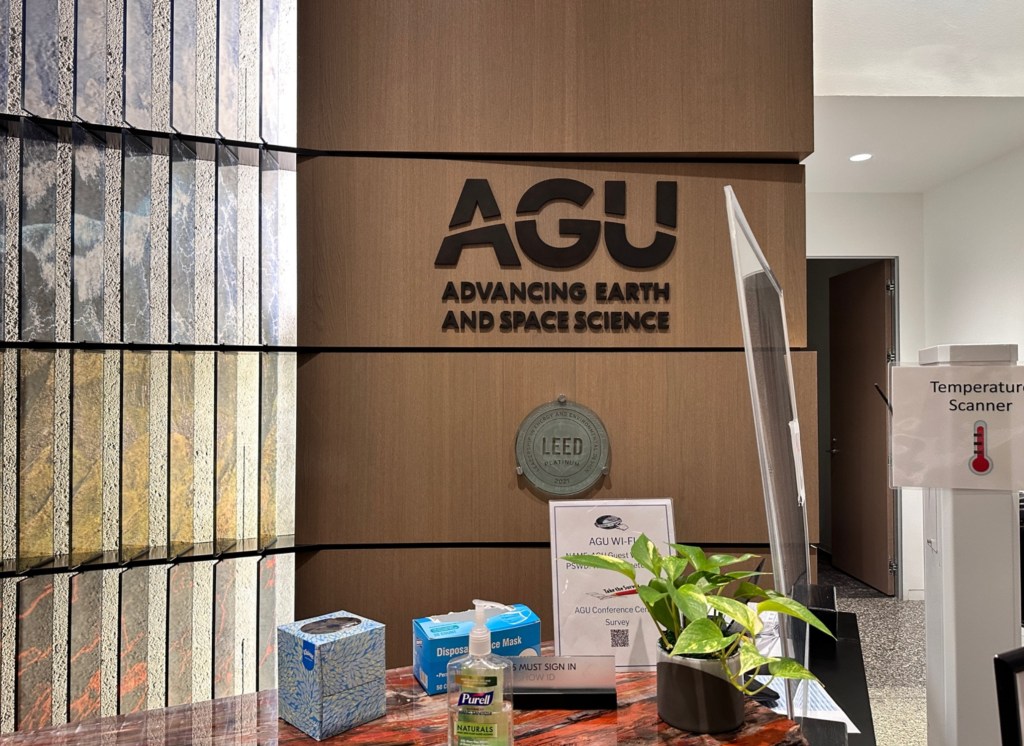
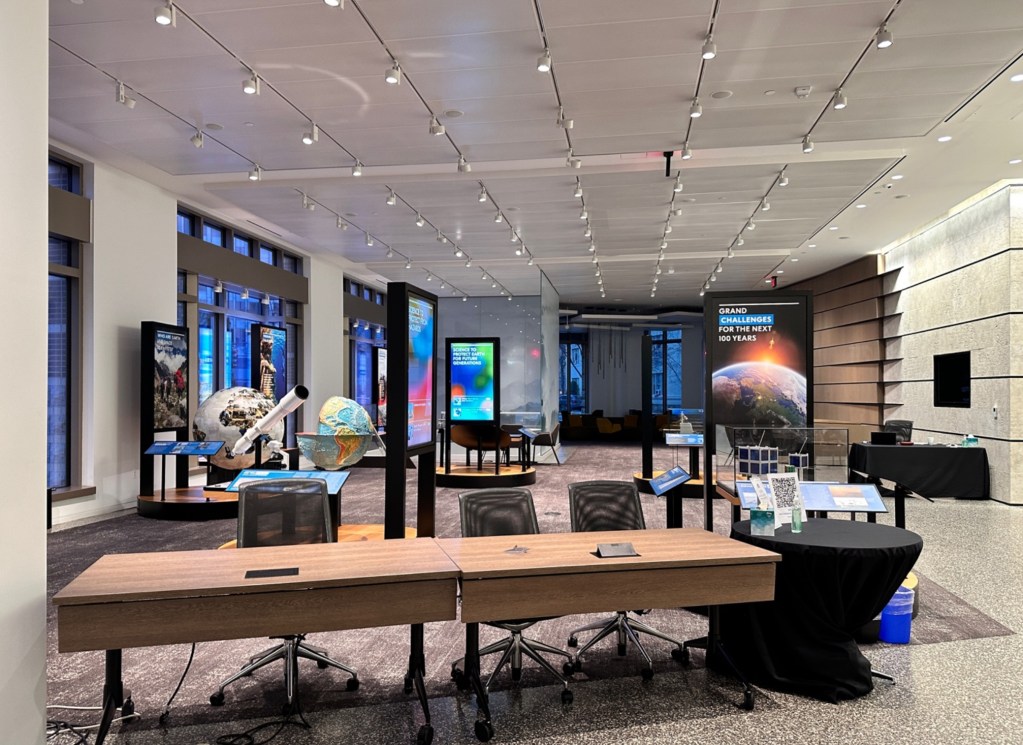
At the core of AGU lies three essential components. We Gather, We Galvanize, and We Grow. And by committing ourselves to these three pillars, we can build and grow a strong, inclusive, vibrant culture of science.
How?…
-We Gather.
Science needs company and when science gathers something special happens. Around the world and throughout the year, AGU meetings are essential venues for scientists to share their work, learn from one another, build on research, and plan for the future. Supporting AGU convenings gives Earth and space sciences the necessary platforms to grow and deepen connections and community.
-We Galvanize.
Knowledge is power. And AGU powers the world with news, information, and perspectives that bring Earth and space sciences out of the classrooms and labs and into the wider world.
For over a century AGU Publications have shared groundbreaking studies leading to greater understanding of our planet and universe. AGU’s 24 journals span every conceivable facet of the Earth and space sciences. Half of those publications are now open access underscoring AGU’s commitment to open science.
Our award-winning monthly magazine, Eos, and accompanying social and digital platforms further enhance AGU’s commitment sharing science. and our work globally to inform our legislators about important issues for our community.
-We Grow.
As with any profession, scientists seek tools throughout all career stages to build their talents and professional contacts. AGU creates these pathways by building a big tent where all can study, learn, engage, and connect. To keep science wide, open, equitable and growing, AGU offers a variety of initiatives that need sustained support and partnership.
AGU’s Mentoring365 program provides students and early career professionals a valuable conduit to learn and grow with their peers.
The AGU Bridge Program spreads opportunities for students from historically marginalized populations to obtain graduate degrees in the geosciences.
And to further deepen a diverse and equitable science culture, the AGU Landing Academy creates cohorts of leaders within Earth and space sciences empowered with skills and resources to promote diversity, equity, inclusion, and belonging in their own institutions and organizations.
And finally, AGU grows a whole new way of looking at science through community science and our innovative Thriving Earth Exchange.
Worldwide across urban and rural neighborhoods AGU spearheads hundreds of projects to invest the grassroots in addressing environmental injustices.

Q. How does AGU usually choose its theme?
Every year we aim to capture a feeling of community and fellowship. People attend the annual meeting for the science and professional enrichment but there is also an important emotional transaction. Attendees feel deeply connected to one another and we see our theme as an opportunity to deepen this connection while also reflecting on issues and tenets of importance to the wider community. So, for instance in 2023 we chose Wide. Open. Science. – a way to promote the need for inclusive science and open data and accessibility but also a way to endorse global partnership.
This year our theme is What’s Next for Science. Science has always been about the new. The now. The next. We see it as something that propels us, feeding our questions and inspiring our work. This constant question and answer form a story. It’s the story of our journey; we create what’s next. What’s next for our community. What’s next for discoveries. What’s next for our planet…and thus, What’s Next for Science.
Q. Please introduce the issues that AGU will focus on in the second half of the year.
We are always laser focused on supporting discovery and solution science. Our work in the second half of 2024 will continue our work in the first half from support for research funding to open access principles for sharing science to diversity initiatives to widen and strengthen the pool of incoming scientists. We also continue our work in creating, together with a wide range of global partners, a framework for climate intervention research, experimentation and deployment. We look forward to sharing our progress on this important issue at JpGU.
Q. There are many speakers at the AGU conference. How would you characterize the conference?
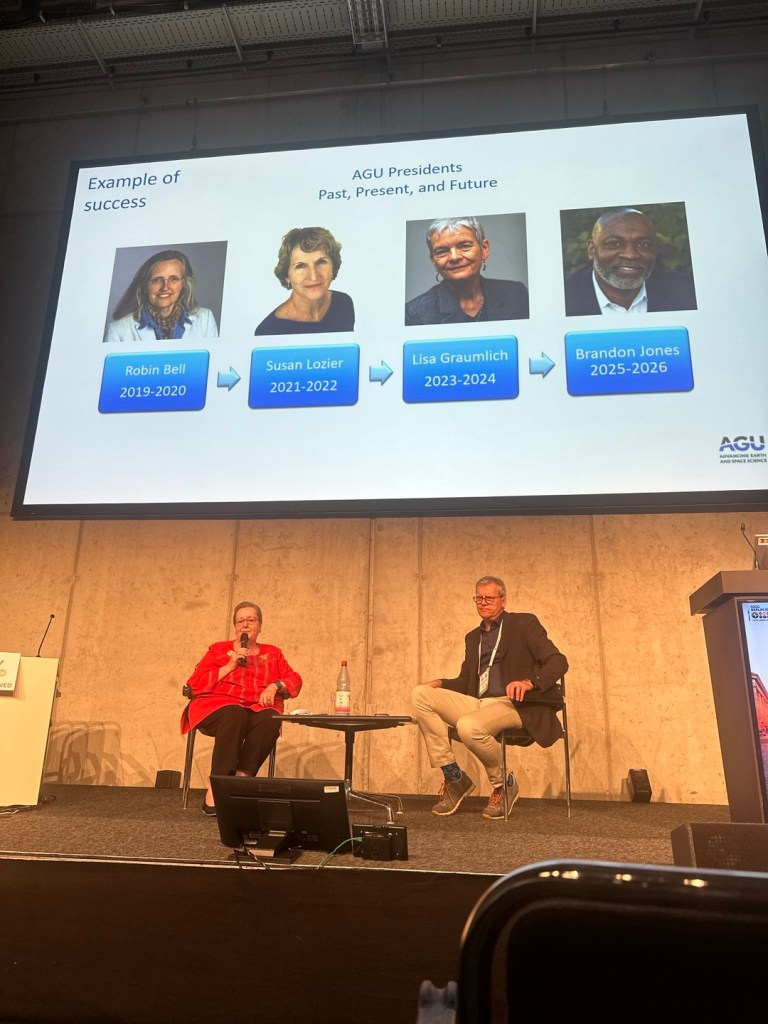
Each year, AGU’s annual meeting attendees from over 100 countries to share research and connect with friends and colleagues. Scientists, educators, policymakers, journalists and communicators attend AGU24 to better understand our planet and environment, opening pathways to discovery, opening greater awareness to address climate change, opening greater collaborations to lead to solutions and opening the fields and professions of science to a whole new age of justice equity, diversity, inclusion and belonging. The meeting is a big open tent of ideas and perspectives – one that grows more diverse each year…It is a true honor and privilege to work with all our global partners.
Q. How is it different from last year?
Every year is different that is the exciting and invigorating thing about science. We are thrilled see attendees growing back up to pre-pandemic levels. We expect large number for our AGU24 gathering in Washington DC, December 9th – 13th. This is the first time since 2018 that we have been in Washington.
Q. AGU is known for always having a new, diverse, and packed program. How are you preparing for this time?
Our Meetings team and volunteers work year-round to identify emerging topics and engaging speakers from global leaders to Nobel winners to community leaders. We like a wide range and so do attendees. We draw from research to policy to advocacy, even to art and filmmaking for speaker and panelists. Science needs great storytellers to ignite the imagination and support of the global community.
Q. What would you say to students who want to study geoscience?
I am always excited to meet young people who are interested in geoscience, and I do my best to encourage them to pursue it. Society needs them. Climate change is the most pressing issue facing our planet and our survival and the geosciences are the key to discovering solutions.
Q. Do you have any achievements during this visit to Japan?
I am very excited to be renewing our strong partnership with the Japan Geoscience Union. Science has no borders, and our challenges are universal. Working together as partners is key to any progress.

Q. What are some of your favorite presentations or sessions at the JpGU 2024 meeting?
I very much enjoy the Great Debate sessions where we can hear diverse perspectives and have the time to dig deep into pressing matters. I also enjoy visiting with scientists at their posters and hearing about all the exciting new research that is taking place.
Q. What are the activities that you focus on at this conference?
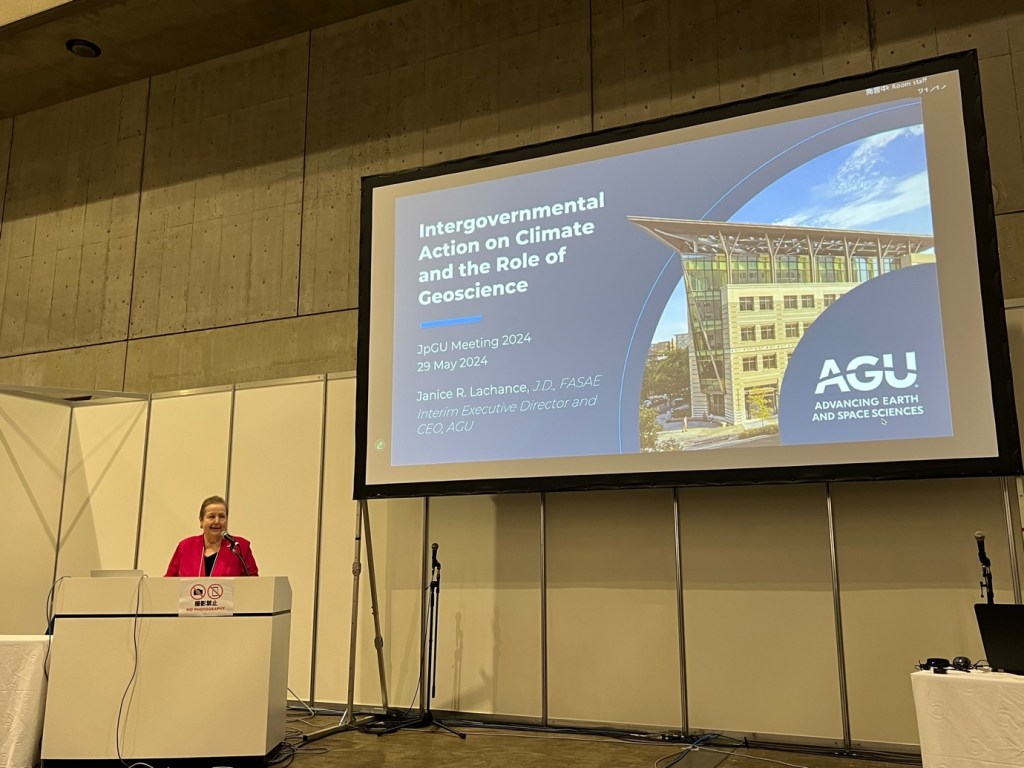
I try to attend as many sessions as I can to learn about new developments in science, but what I love most is renewing friendships and building new relationships between AGU and scientists and policy experts from around the world.
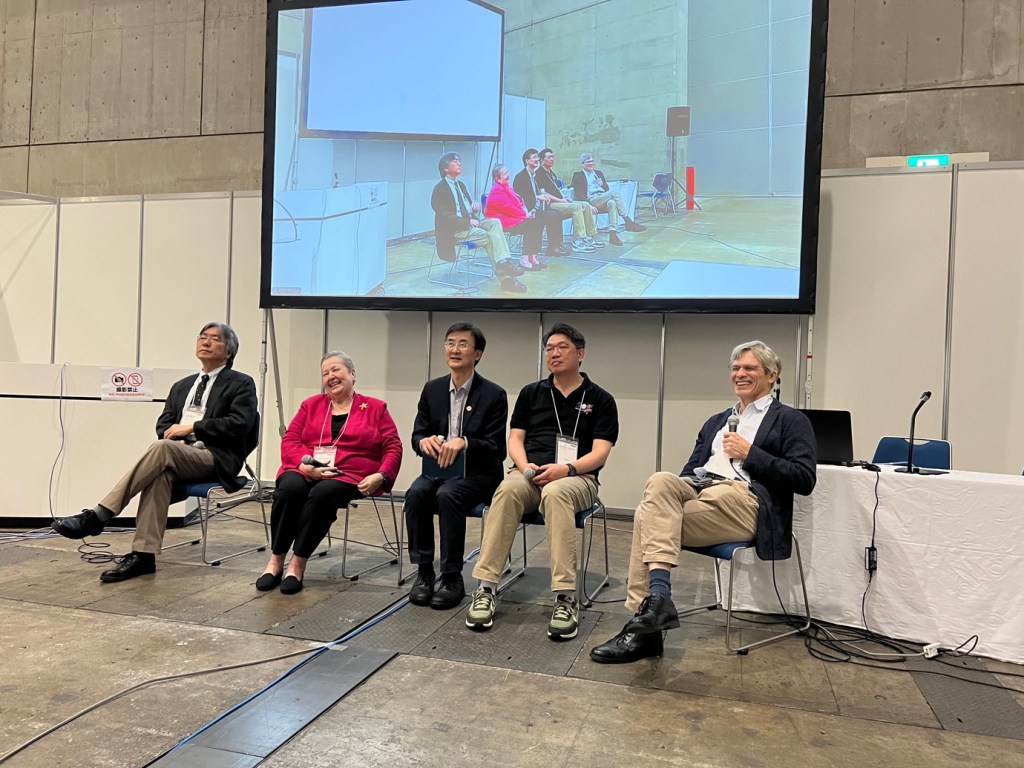
Q. What does AGU expect from JpGU in the future?
I am going to disagree with the term “expect.” We are equal partners who share similar values and goals. I look forward to a continuing, deep working relationship.
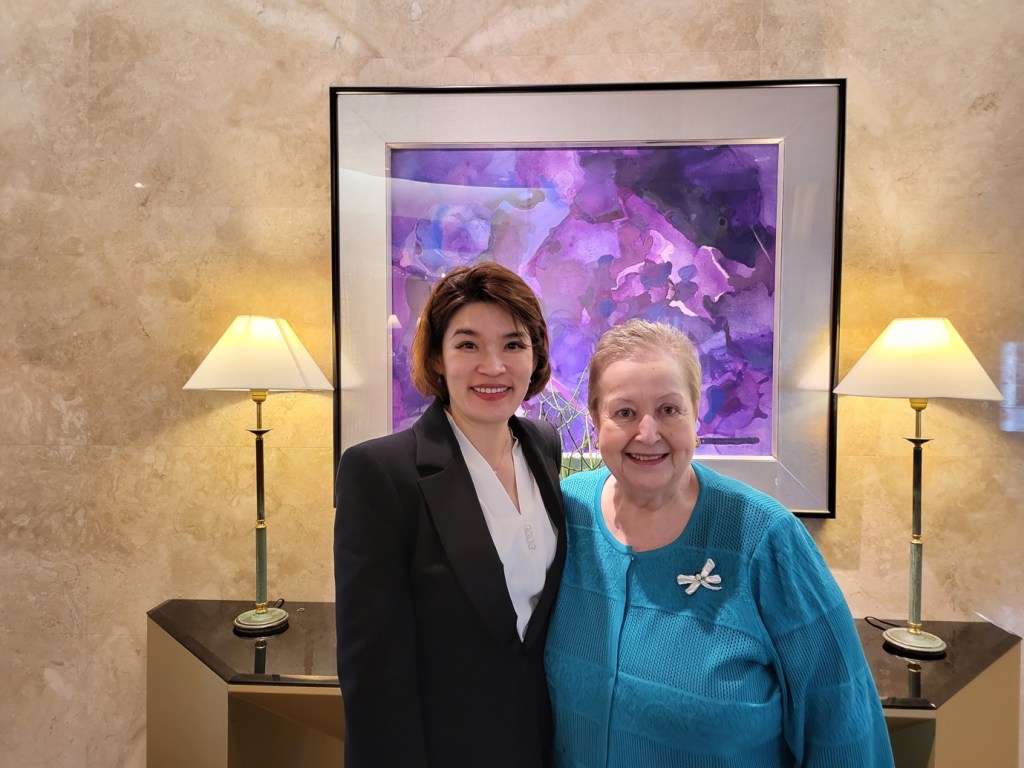
Here is the background of Dr. Janice Lachance, Interim Executive Director and CEO of AGU.
https://www.agu.org/learn-about-agu/about-agu/governance/board-directors/executivedirectorbio
Wonsuh Song (Ph.D.)
– Lecturer at the Faculty of Teacher Education, Shumei University
– Guest researcher at the Center for Spatial Information Science, University of Tokyo
– Member of the AGU Leadership Development / Governance Committee
– Member of the JpGU Global Strategy Committee and Diversity Promotion Committee
– Delegate and Section Board Member for the Human Geosciences section of JpGU







Leave a Reply